Spring migration brings a surge of colour and motion back to southwestern Ontario as warblers and other returning songbirds filter through our forests and wetlands. At the same time, the rest of the landscape wakes up—mammals become more active after the long winter, and the wetlands pulse with the calls of courting frogs as evenings warm. I’ll be adding more photos and notes as the season progresses, so feel free to check back often as spring builds and shifts from week to week.
Birds
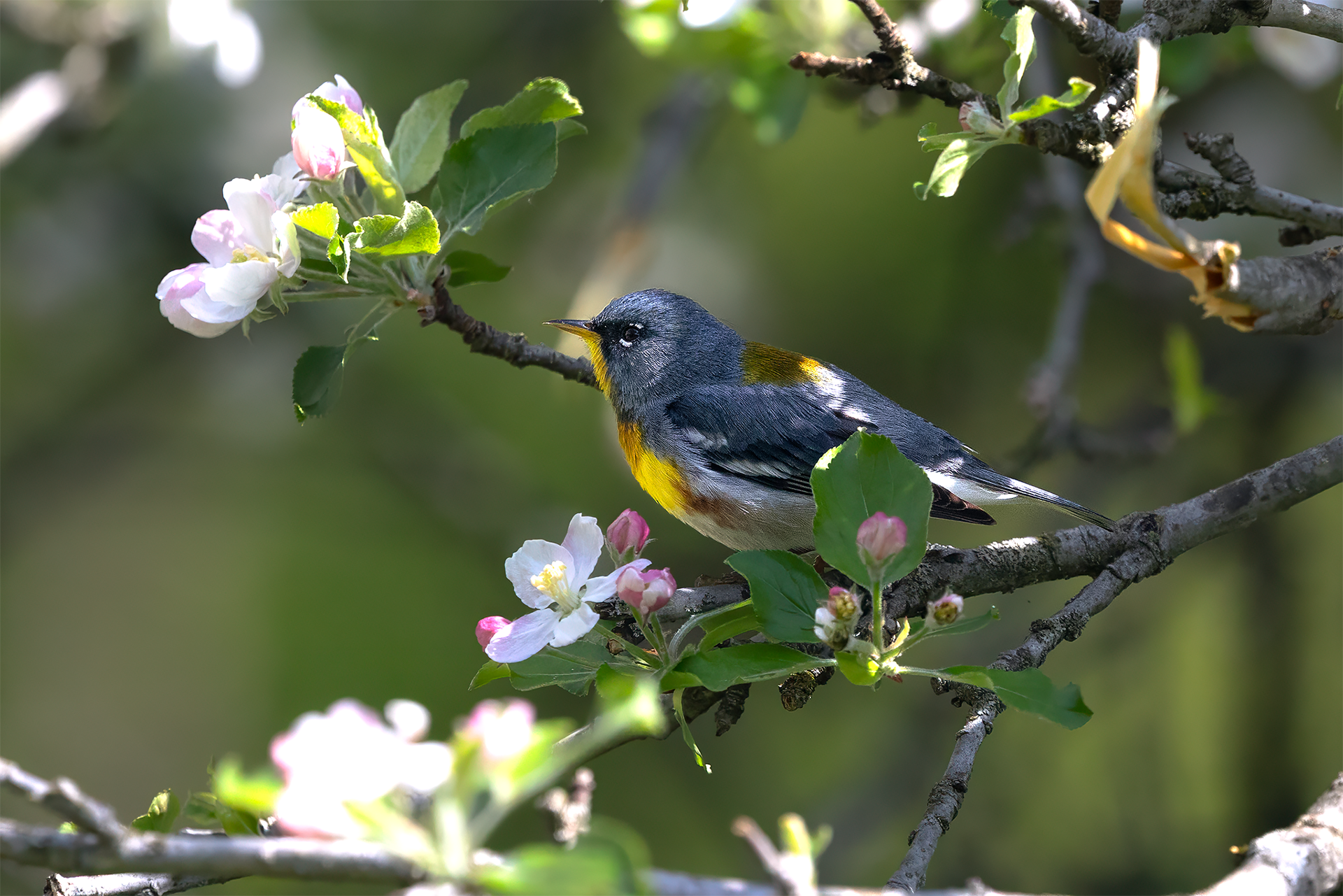
A Northern Parula works the mid‑canopy with soft, deliberate hops, pausing to probe lichen clumps and new buds as its buzzy trill rises overhead. In older forests around London, they sometimes choose a sheltered lichen bundle for their nest—so well concealed that even seasoned birders can walk beneath it without ever knowing it’s there.
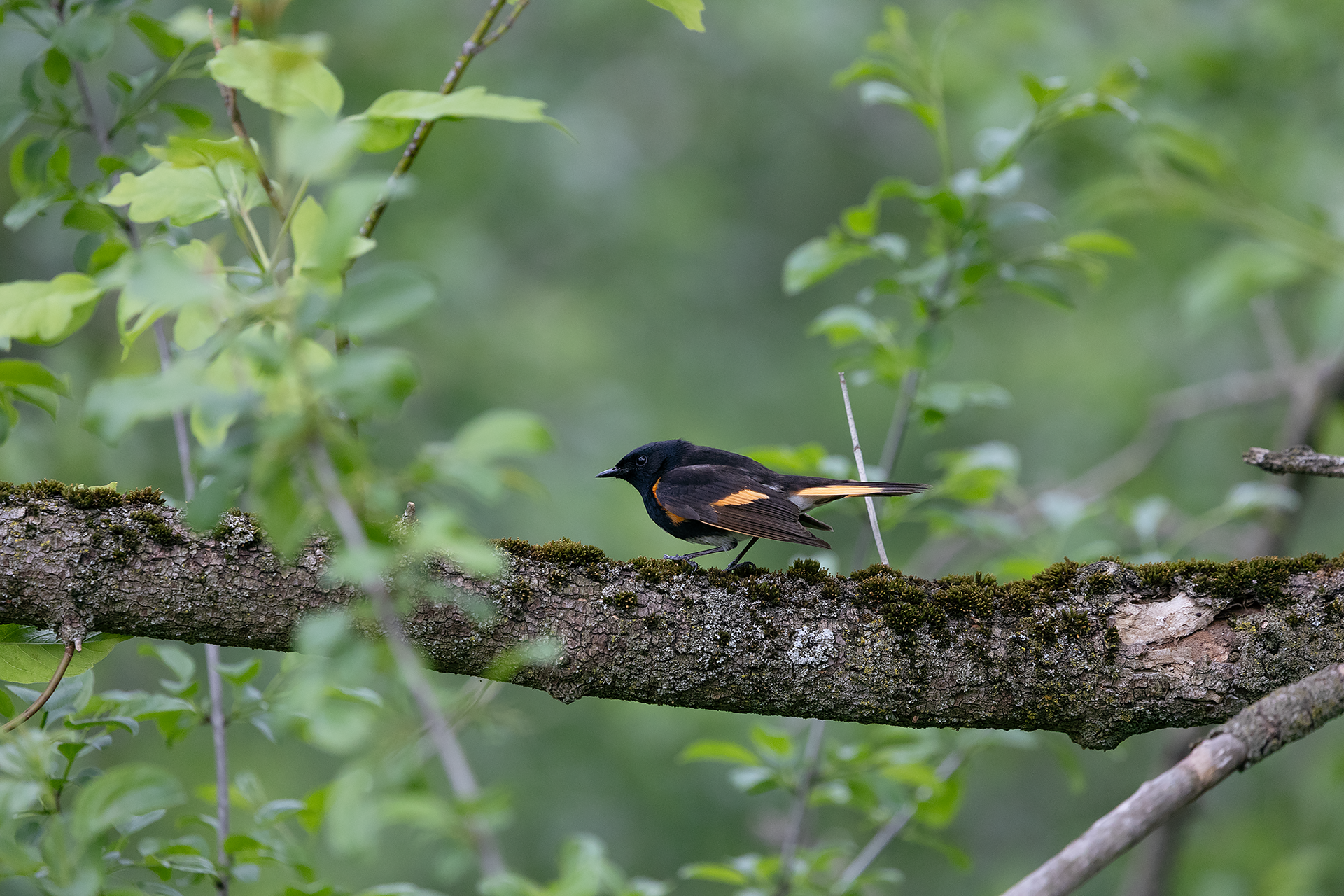
American Redstarts bring a burst of motion to London’s forests in spring—flashing orange patches as they work the understory with sharp, stop‑and‑go movements. By late May, pairs settle into shrubby, layered woods along the Thames and nearby ESAs, the female tucking a neat cup nest into a low fork while the male patrols the edges of their small territory with quick, restless songs.
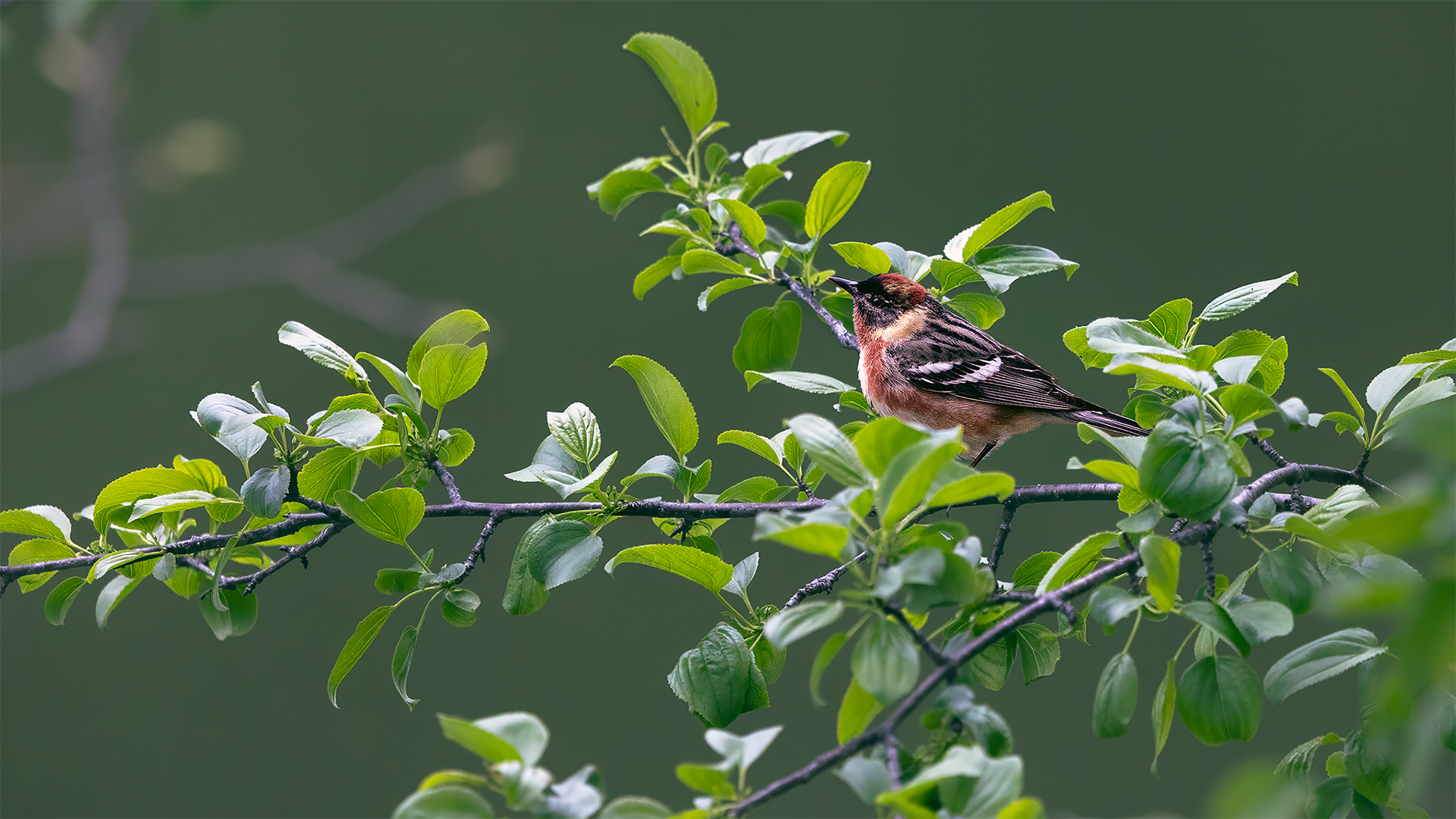
Bay‑breasted Warblers pass through in tight migration waves, busy little foragers working the mid‑canopy with smooth, purposeful motions. Their rich chestnut flanks and crown flash between branches as they track caterpillars along fresh needles and unfolding leaves.
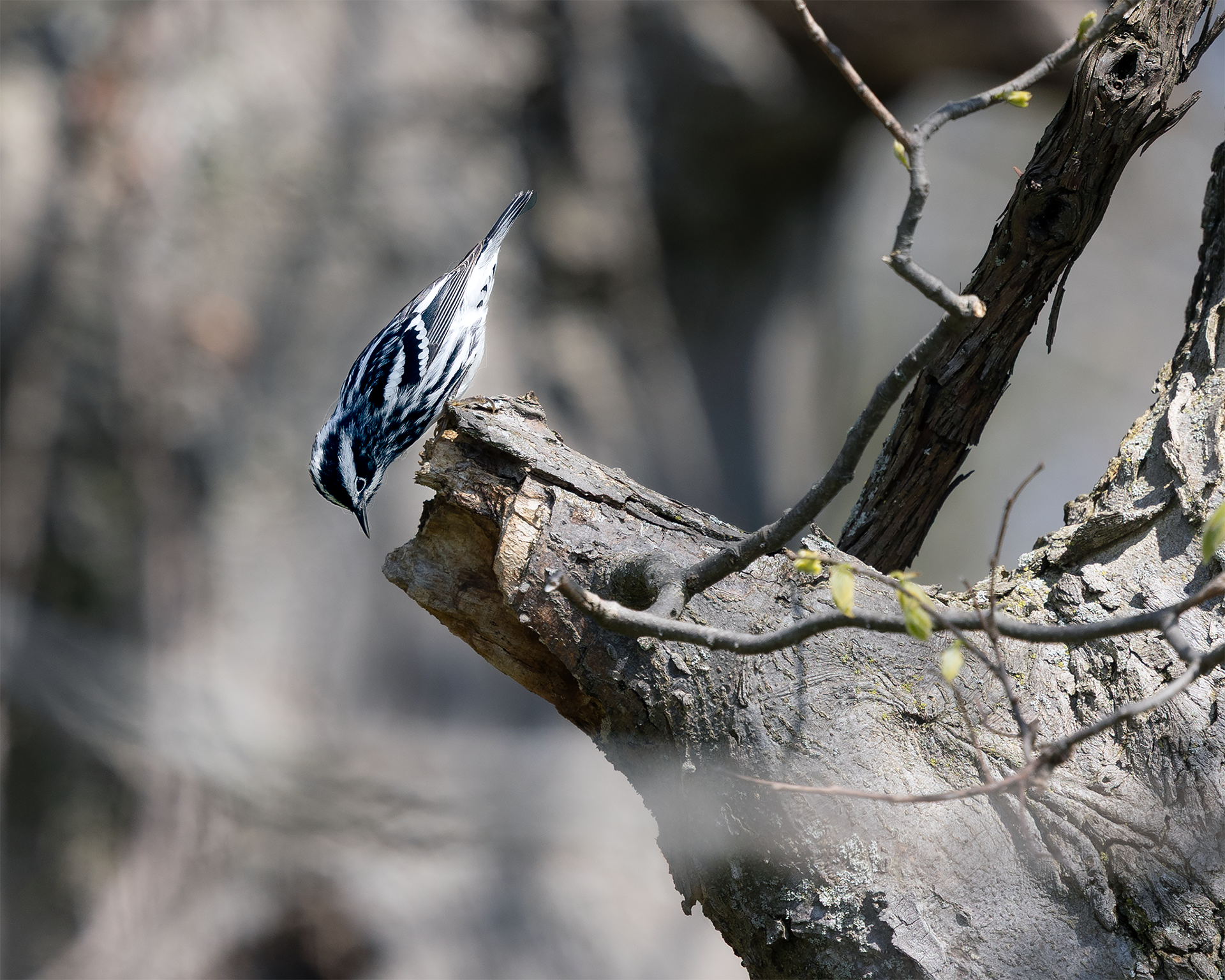
Black‑and‑white Warblers are distinctive, tree‑creeping migrants moving through southwestern Ontario each spring. You might notice this boldly striped bird—climbing trunks and branches like a tiny zebra‑patterned nuthatch—as it probes bark crevices for insects with quick, deliberate movements.
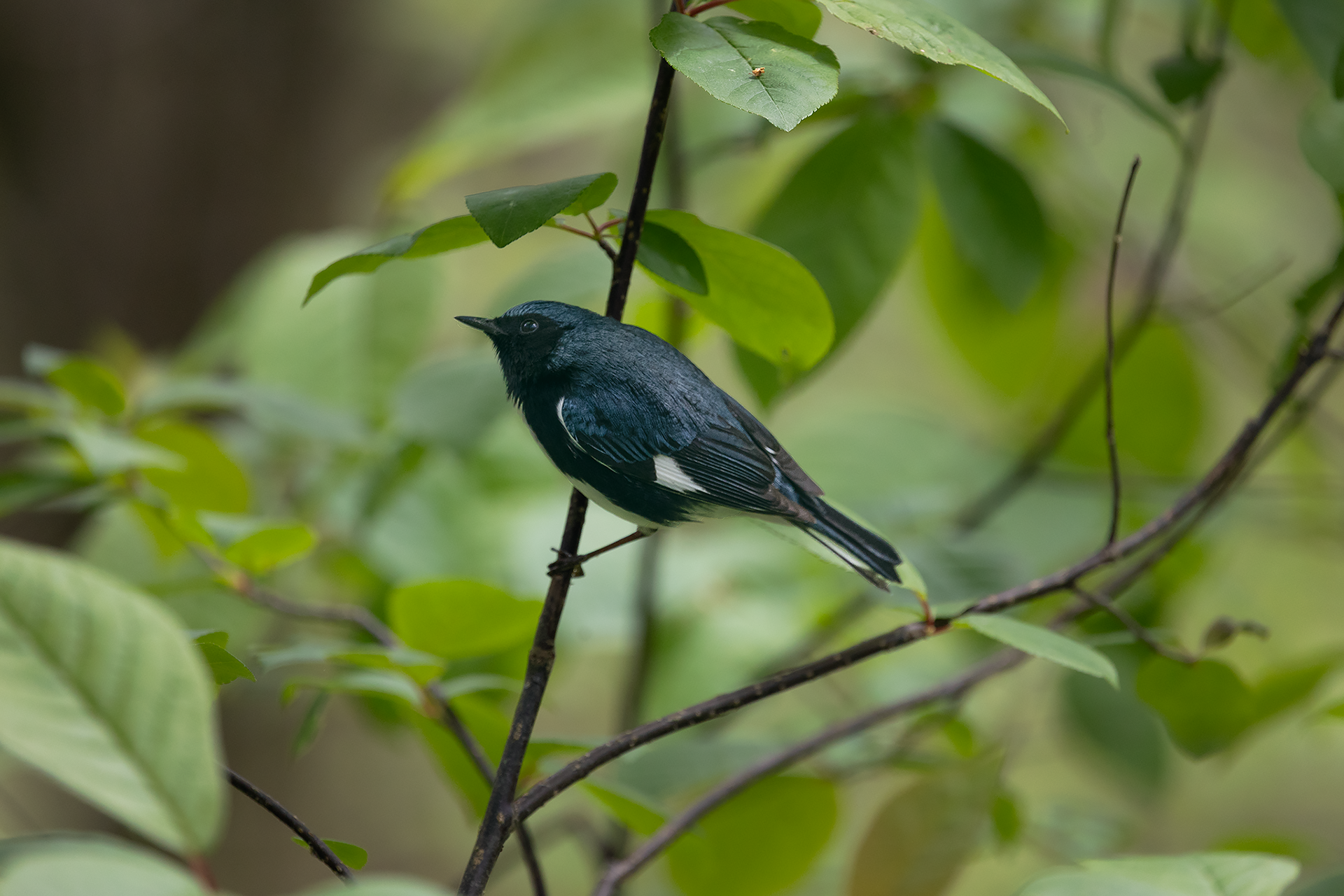
Black‑throated Blue Warblers are elegant, low‑canopy migrants moving through southwestern Ontario in spring. If you’re walking along shaded forest edges or mixed hardwood trails, you might spot this striking bird—deep blue above with a crisp black mask and throat—flitting methodically through understory branches as it searches for insects with calm, deliberate movements.
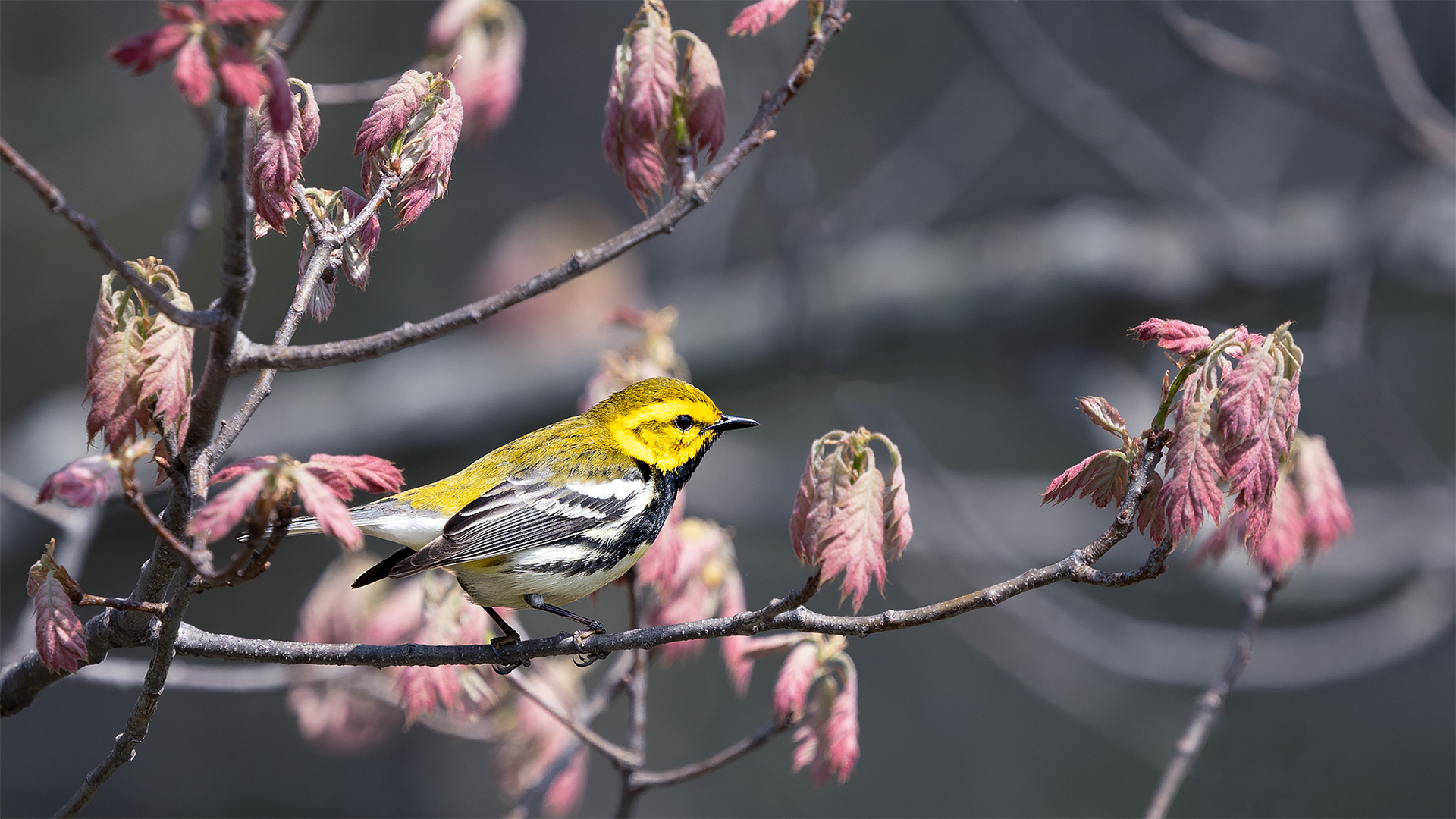
This Black‑throated Green Warbler paused just long enough among the fresh spring leaves for a quick look, working the branches with those precise, deliberate hops they use while picking insects from new growth. Birds like this are passing through London on their way to breeding territories in the mixed and conifer forests of central and northern Ontario, making moments like this brief but memorable during migration.
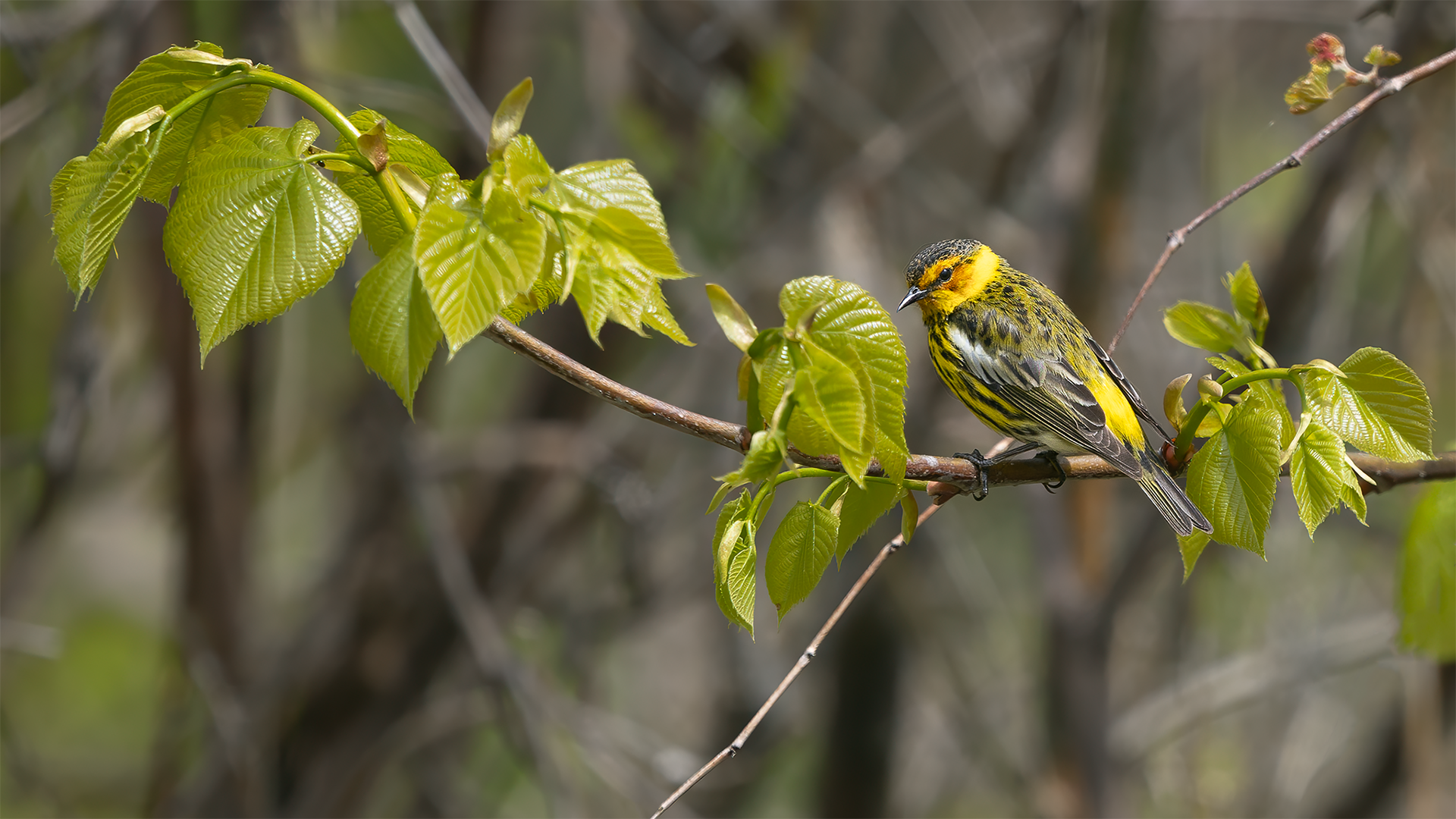
Cape May Warblers are striking but often fleeting visitors during migration in southwestern Ontario. If you’re scanning spruce edges or treetop canopies in May, you might spot this sharp‑looking bird—yellow and black with a bold chestnut cheek patch—darting through the upper branches as it snaps up insects with quick, precise movements.
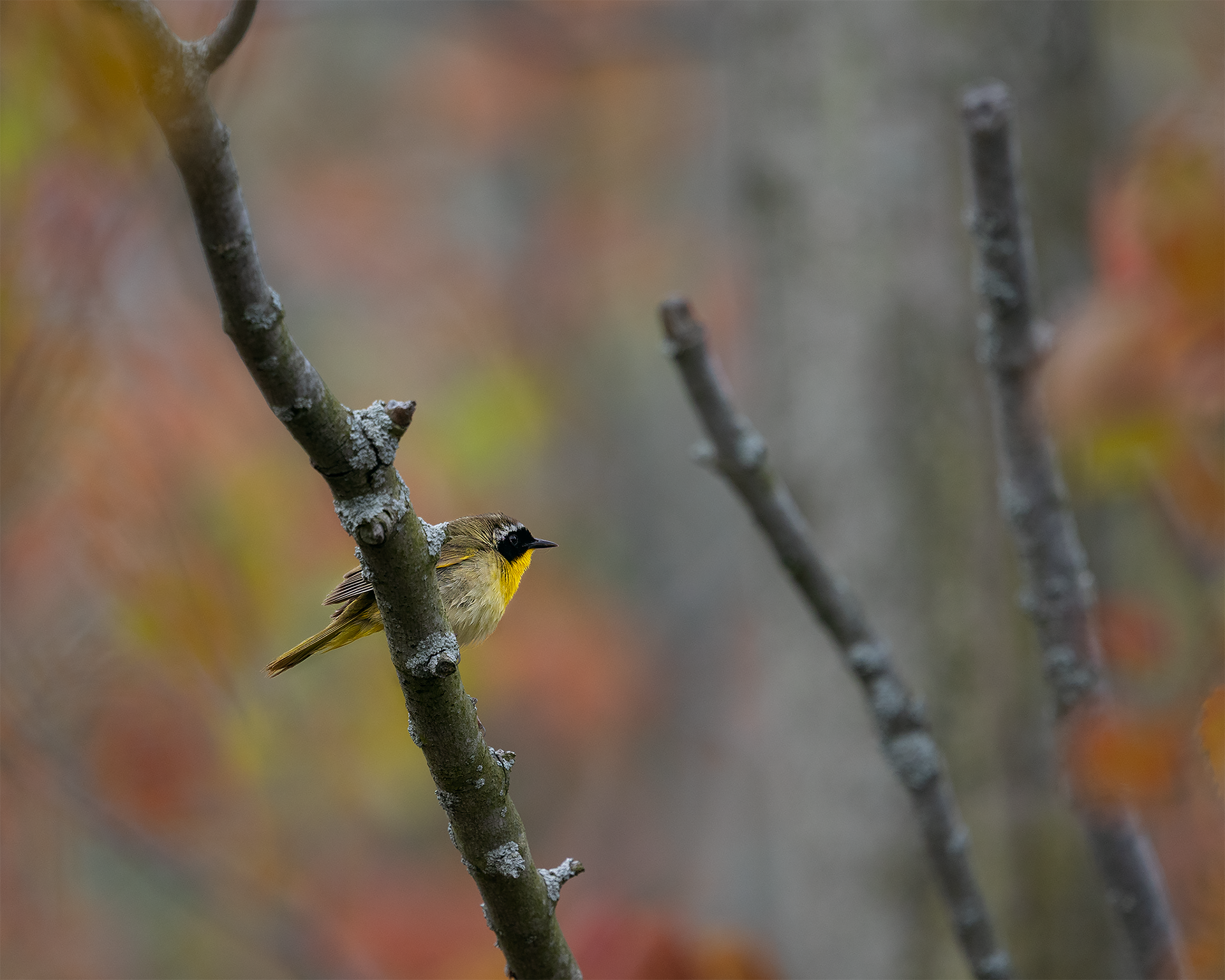
Common Yellowthroats are widespread but often hidden residents of southwestern Ontario’s wetlands. If you’re walking through cattail marshes or dense wet thickets, you may hear this bold little skulker before you see him—his bright yellow throat and black mask flashing from deep cover as he pops up to deliver his sharp, ringing “witchety‑witchety‑witchety” song. Females hide their nests deep in grasses or low shrubs, almost impossible to spot unless you know exactly where to look.
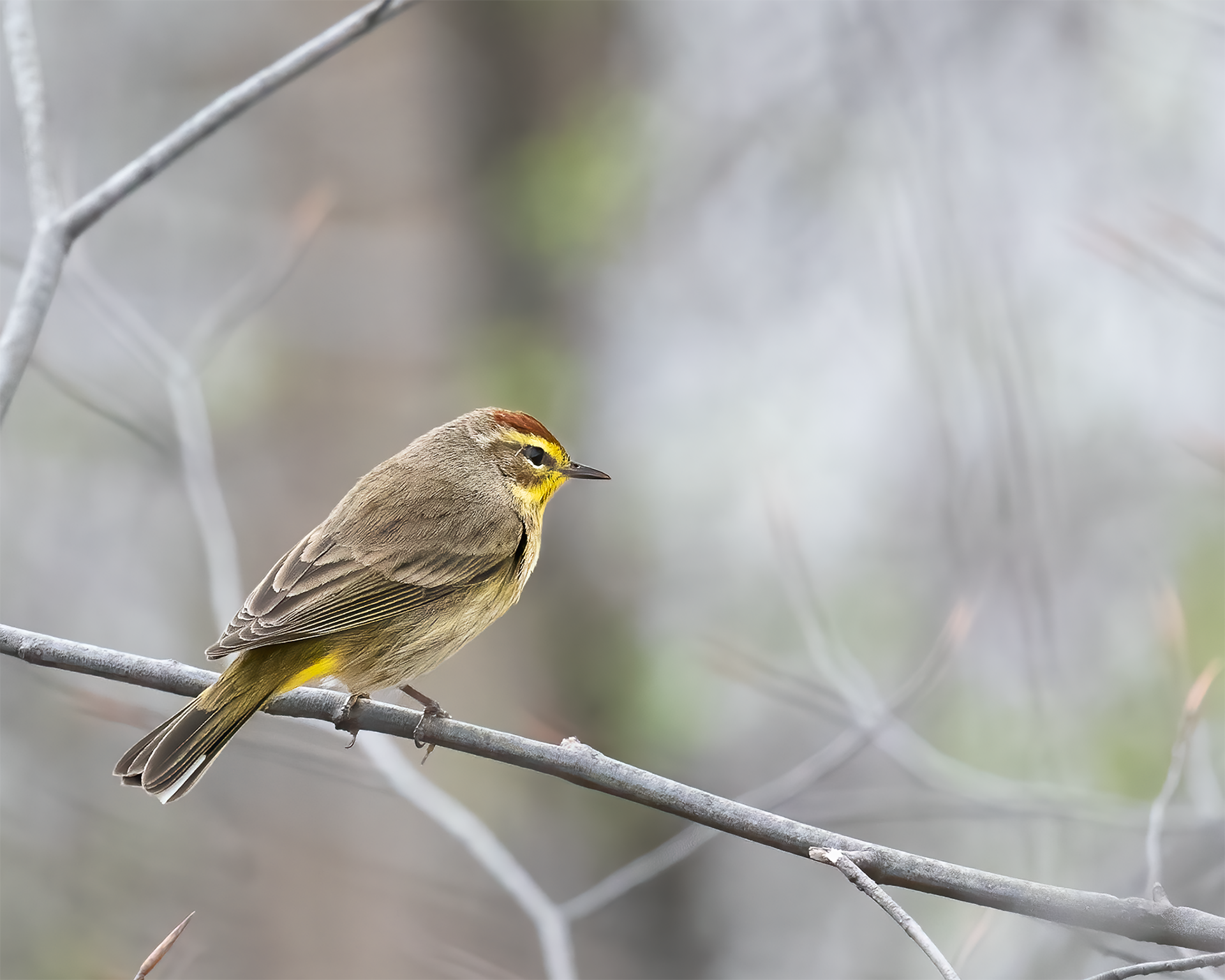
Palm Warblers are among the earliest warblers to arrive in southwestern Ontario, tail‑bobbing their way along trail edges and open clearings. Most continue north to breed in boreal bogs, but during migration around London they behave as if rehearsing for the season ahead—working low shrubs and ground cover with the same restless energy they’ll bring to their nesting ground
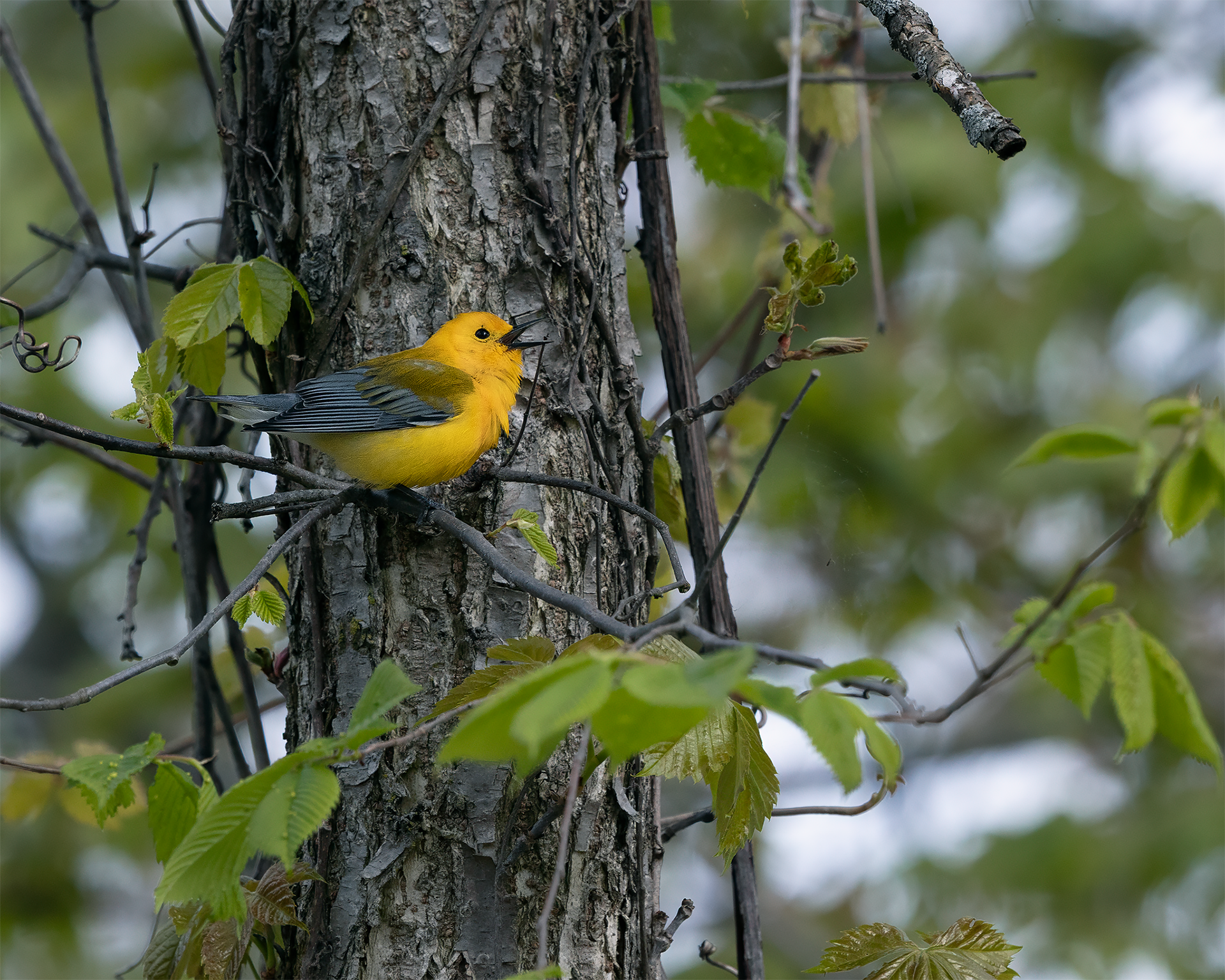
Prothonotary Warblers are one of the rarest and most striking warblers to pass through southwestern Ontario. If you’re exploring a flooded woodland or a quiet swamp with overhanging branches, you might catch a flash of brilliant golden yellow as this luminous bird creeps along low trunks and branches—its clear, ringing song carrying across the water while it searches methodically for insects in the shaded understory.
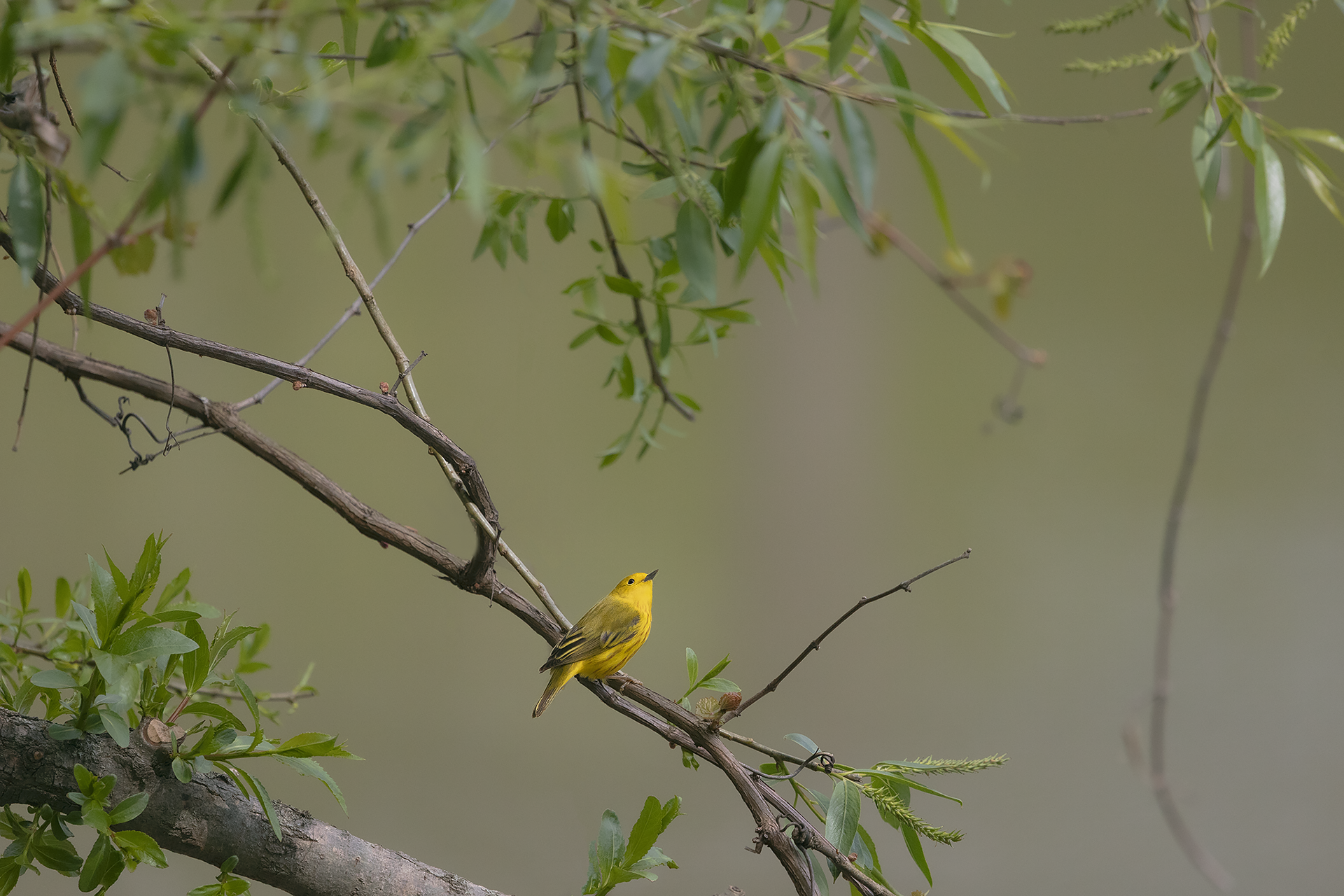
Yellow Warblers are one of the most abundant warbler species in the London area. If you’re walking through a wet habitat with willows or dense shrubs, there’s a good chance you’ll spot this feisty little bird—bright yellow with distinctive rusty breast streaks—belting out its song at full volume. By late May, females are weaving cup nests low in shrubs near water, while males patrol tight territories and chase off rivals with surprising intensity.
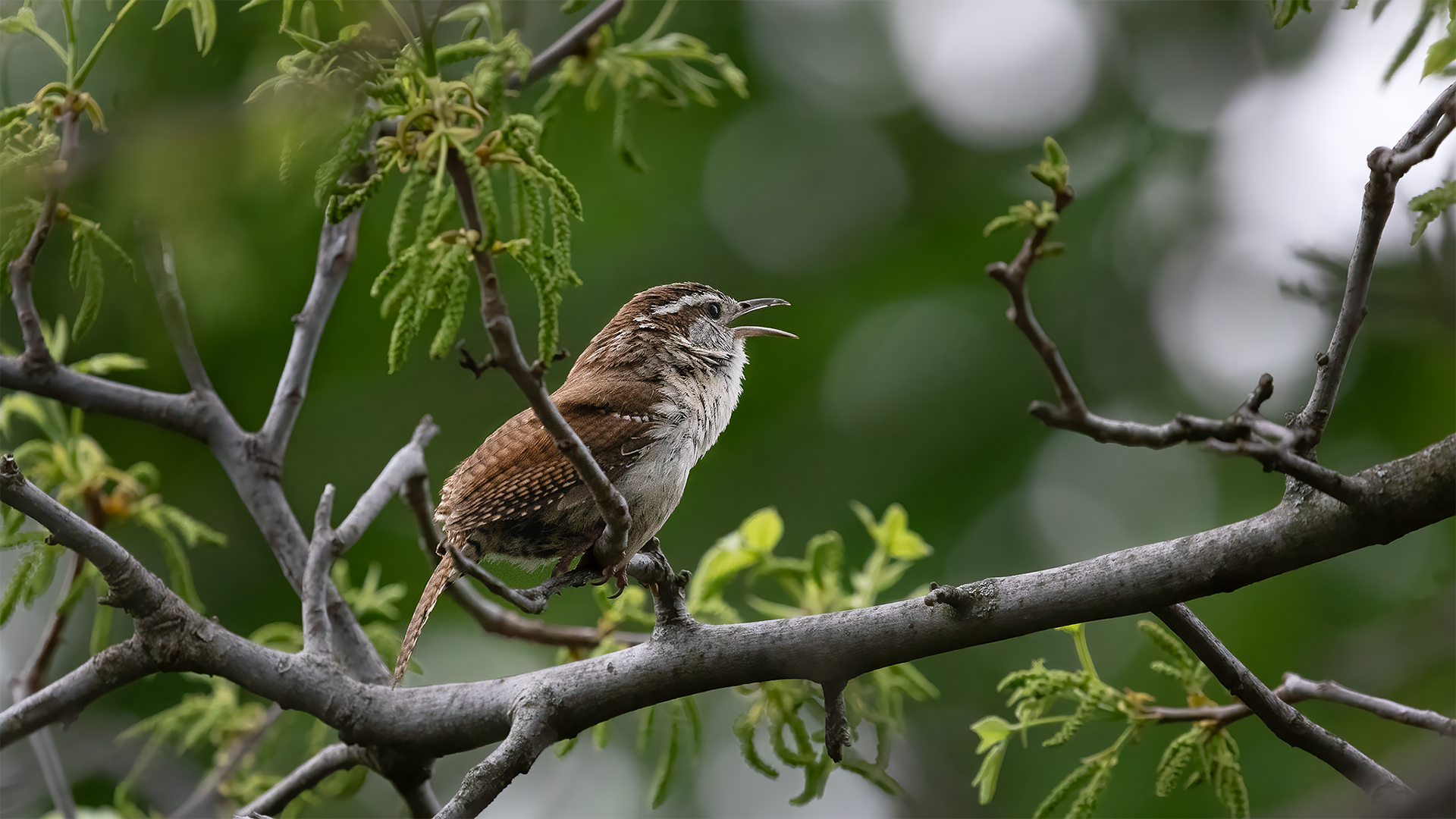
Carolina Wrens are bold, year‑round residents in southwestern Ontario’s woodlots and backyards. If you’re walking through dense undergrowth or brushy forest edges, you might hear this tiny powerhouse long before you see it—its rich, ringing “tea‑kettle, tea‑kettle, tea‑kettle” call bursting from deep cover as it hops through tangles and fallen logs with endless curiosity. This individual loves to sit in my backyard tree and serenade the neighbourhood.
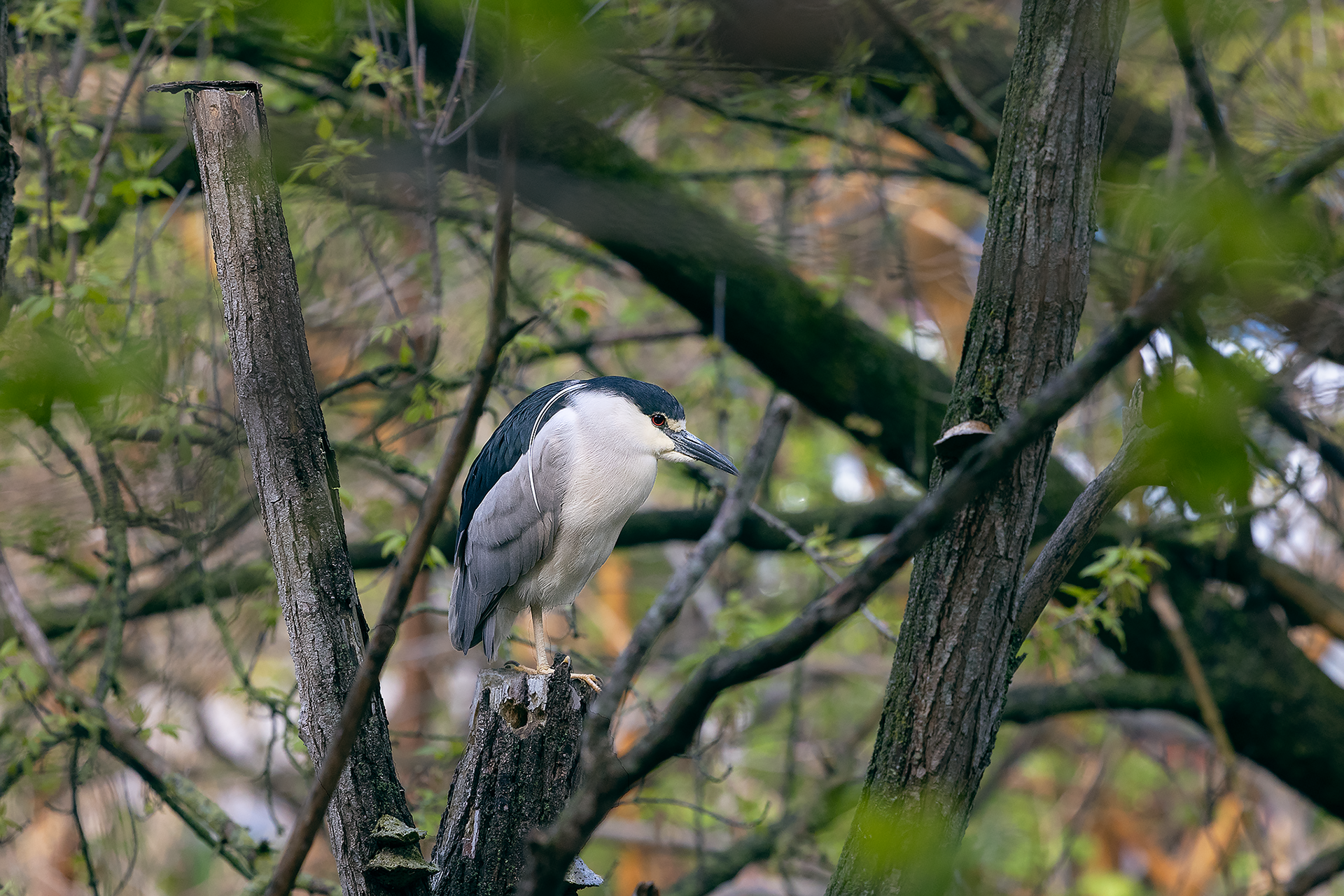
Black‑crowned Night Herons are quiet, dusk‑loving residents of southwestern Ontario’s wetlands. If you’re walking along a shaded riverbank or the edge of a marsh at evening, you might spot this stocky, red‑eyed bird—standing motionless on a low branch or stump—waiting with patient stillness before striking at passing fish with sudden, precise speed.
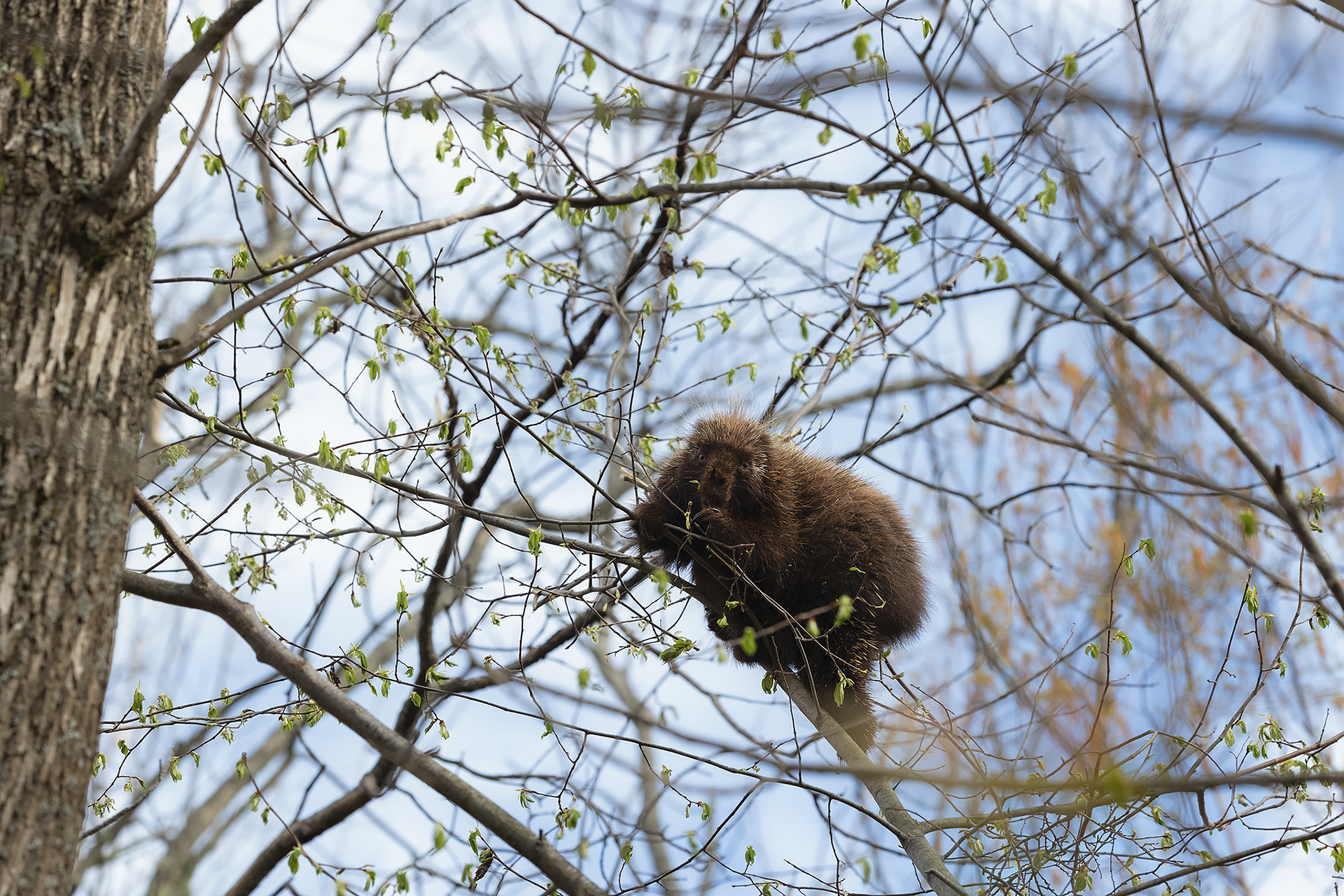
Porcupine
Porcupines wander the forests and rocky uplands, moving with slow, deliberate confidence as they climb poplars and maples to feed. In spring, they often rest high in the branches, their quills catching the light while they doze between feeding bouts. They den in hollow trees, rocky crevices, or old cavities, returning to the same sheltered spots year after year as they roam their home range with quiet, steady purpose.
Frogs
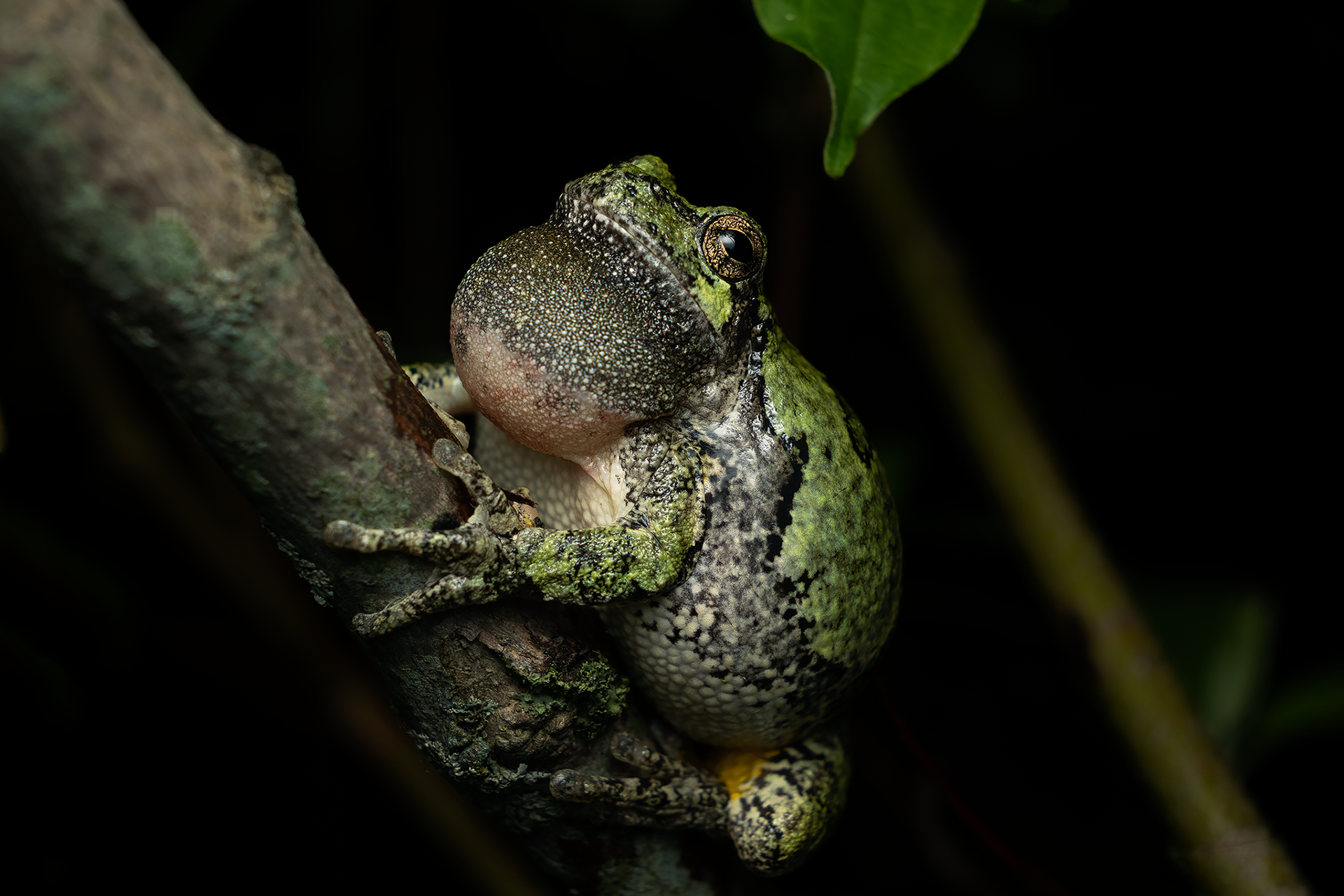
Gray Treefrogs come alive on warm, humid nights in late spring, their sharp trills rising from woodlots, wetlands, and backyard edges around London. As the season settles in, females choose small tree cavities or sheltered nooks near water to lay their eggs, while males call from low branches and saplings after dusk, their voices carrying through the damp air long before the frogs themselves are seen.
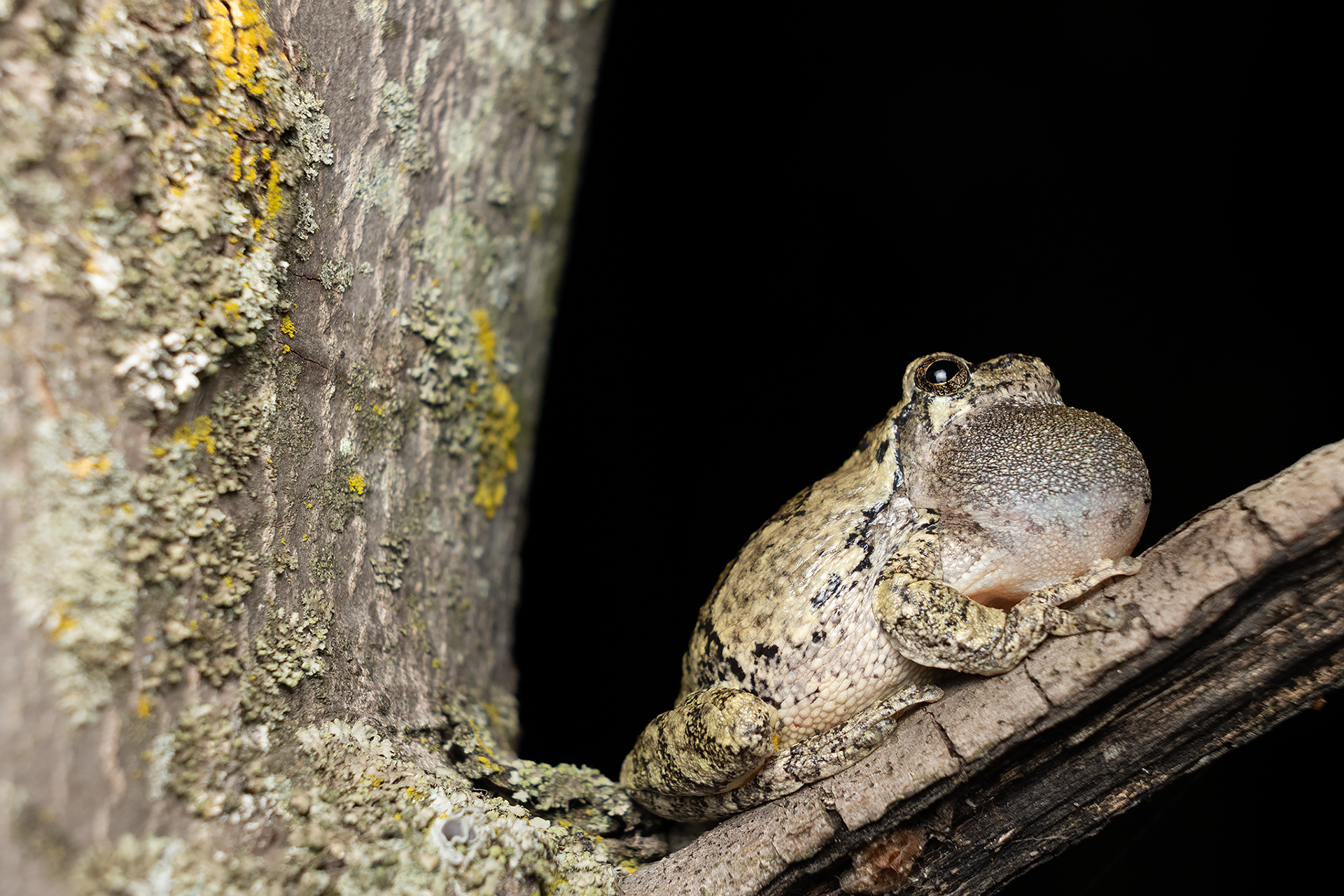
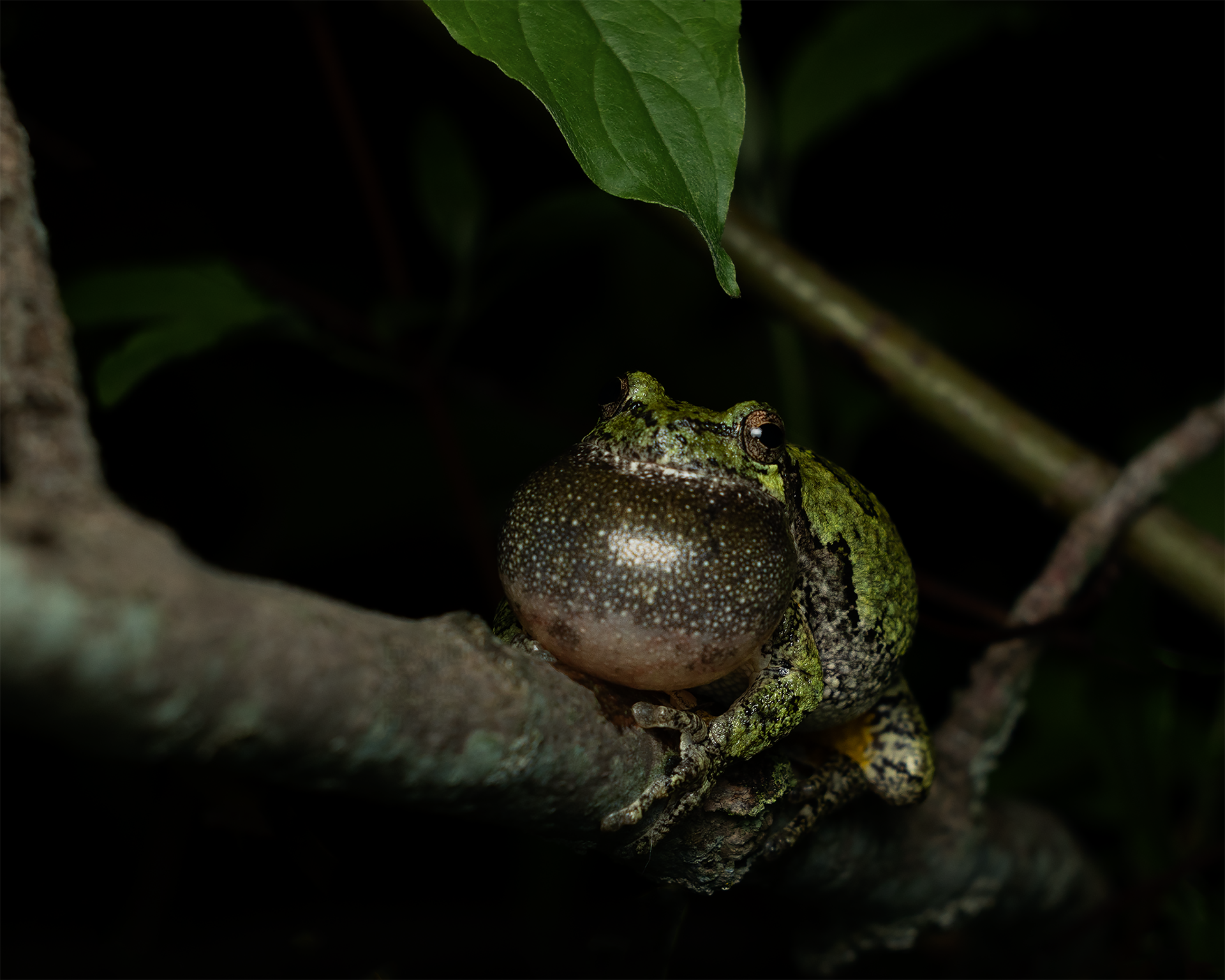
Spring doesn’t begin for me with flowers or warm days—it begins the night the Gray Tree Frogs start calling. Around the vernal pools near my house, they only sing for a few precious nights each year, slipping in and out of the season almost before you notice. That scarcity makes every call feel like a small celebration in the dark.
Apologies for the shaky video — I was standing in water with a soft, mushy bottom, trying to hand‑hold the camera and stay upright at the same time. I’m not much of a video guy and don’t know much about processing yet, but it’s on my list to learn. The real ambiance of the moment — the Gray Tree Frogs trilling, the Spring Peepers in full chorus, the whole wetland alive with sound — just can’t be captured in a single photo, so I wanted to share it anyway.
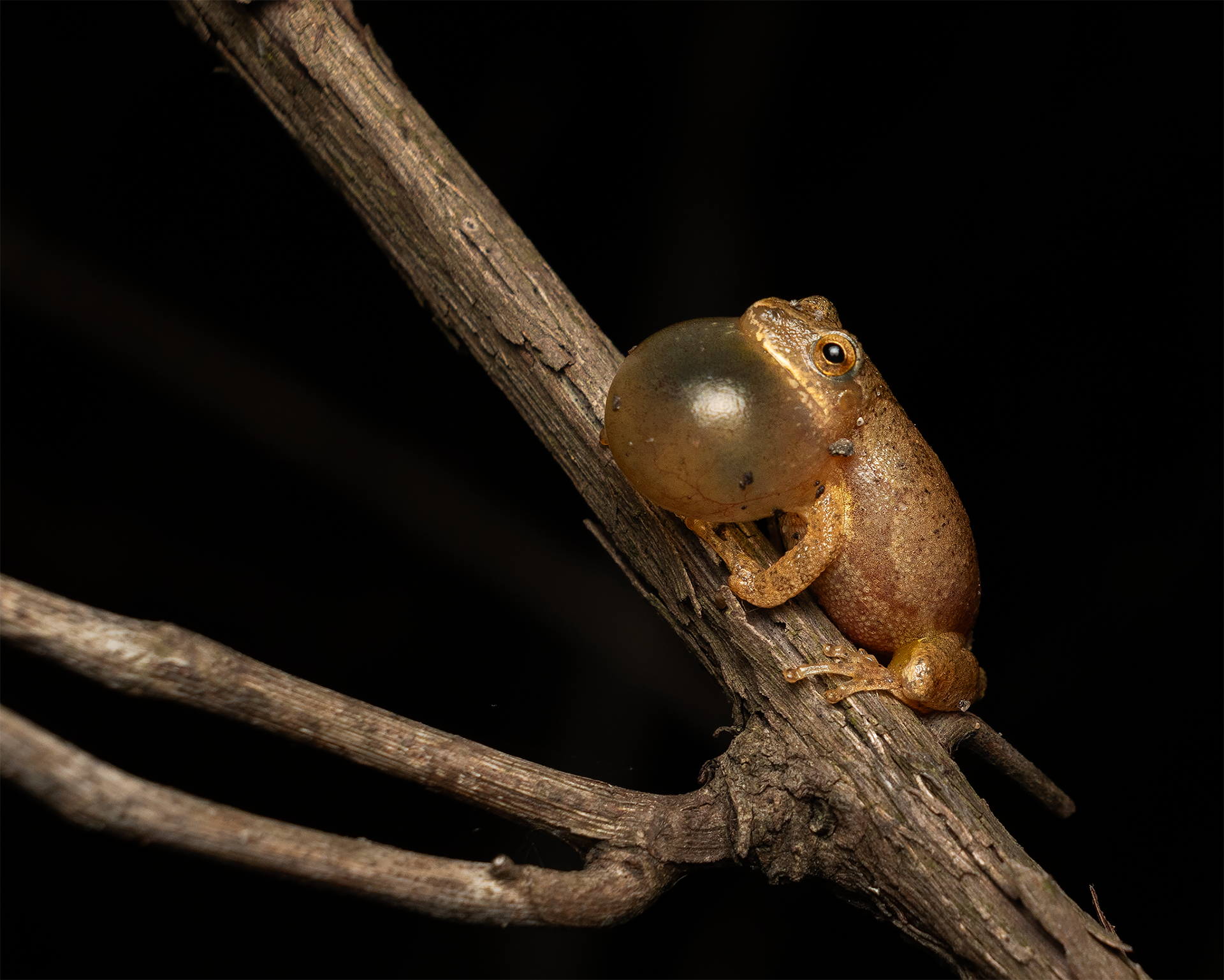
Spring Peepers take over the early‑season soundscape around London, their sharp, rising calls ringing out from flooded woods and vernal pools as soon as the nights warm. Males cluster along the shallow edges of these temporary wetlands, each defending a tiny calling perch, while females move quietly through the chorus to lay eggs on submerged stems during the brief window of true early spring.
Once again apologies for the shaky video...